
Wanna be apart of Project Ramen TV? We want to see it! Tag us or click the link above to DM your unboxings, reviews, or recipes for a chance to be featured on our page.
Dragonfly Encyclopedia – Authentic Chinese Instant Noodles
🐉 Dragonfly Encyclopedia
Authentic Chinese Instant Noodles
From DanDan to Hot & Sour – discover the bold, complex flavors of traditional Chinese noodle culture in convenient instant form
📚 Explore Dragonfly's Flavors
🇨🇳 The Origin Story: Chinese Noodle Heritage
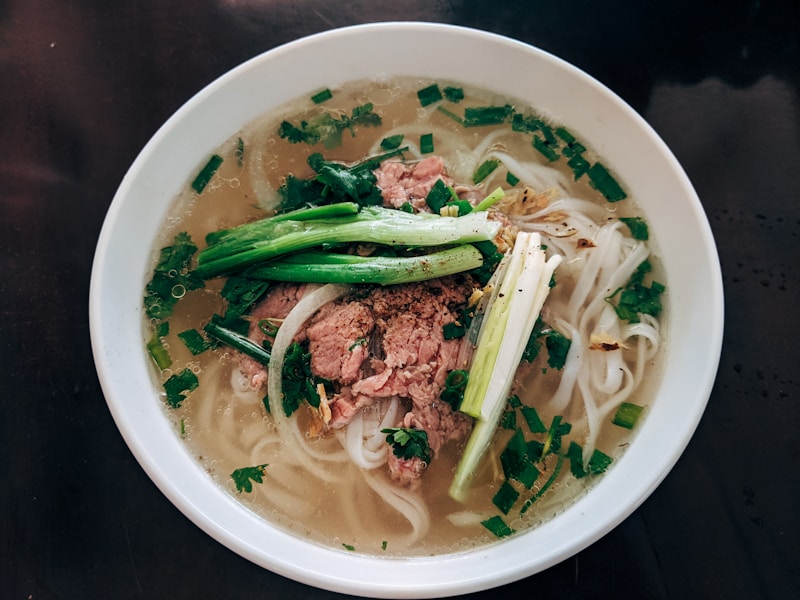
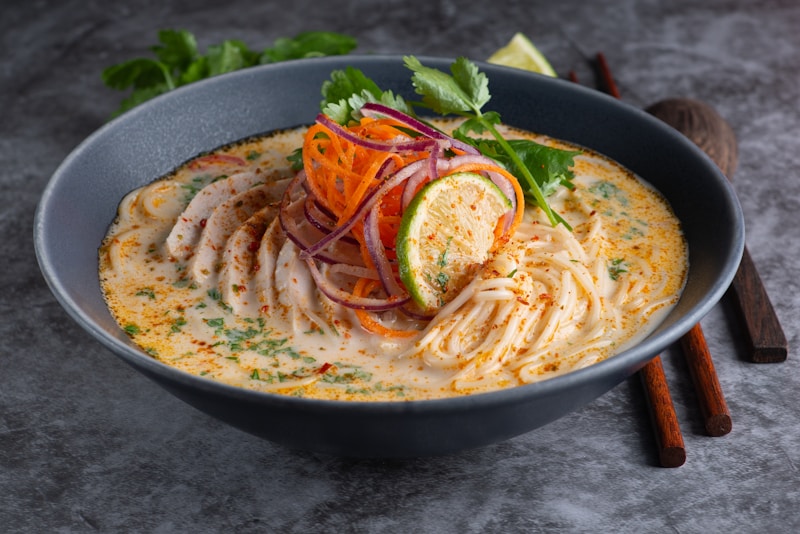
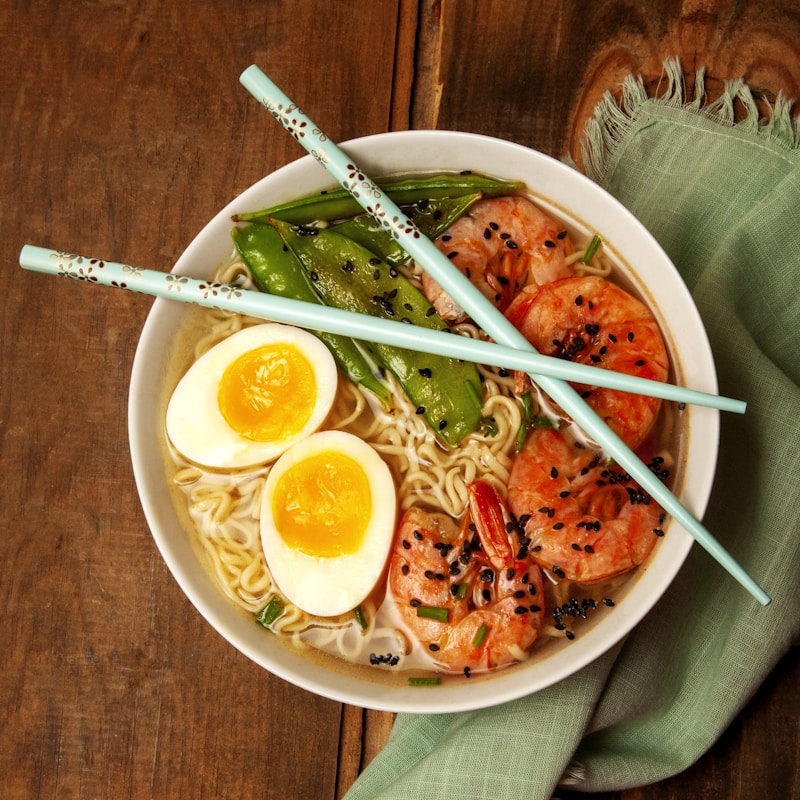
China: The Birthplace of Noodles
Long before instant ramen was invented in Japan, China had been perfecting noodle-making for over 4,000 years. Archaeological evidence suggests that noodles originated in China around 2000 BCE, making them one of humanity's oldest prepared foods.
Chinese noodle culture is incredibly diverse, with each region developing its own unique styles, flavors, and preparation methods:
- Northern China: Wheat-based noodles, hand-pulled lamian, knife-cut noodles
- Sichuan: Spicy, numbing DanDan noodles with Sichuan peppercorns
- Guangdong: Wonton noodles, rice noodles, delicate broths
- Shanxi: Over 1,000 varieties of noodles, noodle-making as art form
- Lanzhou: Famous beef noodle soup with hand-pulled noodles
The Dragonfly Mission
Dragonfly was founded with a specific goal: bring authentic Chinese noodle flavors to the instant ramen format. While Japanese brands like Nissin dominated the instant noodle market with their interpretations, Dragonfly wanted to showcase the true diversity and complexity of Chinese noodle cuisine.
🐉 The Dragonfly Promise
- Authentic Recipes: Based on traditional Chinese noodle dishes, not simplified versions
- Regional Diversity: Flavors representing different Chinese provinces and styles
- Complex Seasonings: Multi-layered spice blends, not one-dimensional flavors
- Quality Ingredients: Real spices, herbs, and aromatics
- Cultural Respect: Honoring Chinese culinary traditions
Why "Dragonfly"?
The dragonfly (蜻蜓, qīngtíng) holds special significance in Chinese culture:
- Symbol of Change: Dragonflies represent transformation and adaptability
- Harmony with Nature: They live in balance with their environment
- Agility and Grace: Quick, precise, elegant—like skilled noodle-making
- Good Fortune: Considered lucky in Chinese folklore
- Summer Symbol: Associated with warm weather and outdoor eating
The name reflects Dragonfly's mission: to transform traditional Chinese noodles into convenient instant form while maintaining grace, balance, and authenticity.
🌶️ Flavor Philosophy: The Five Flavors of Chinese Cuisine
Wu Wei: The Five Flavors
Chinese cuisine is built on the concept of Wu Wei (五味)—the five fundamental flavors that must be balanced in every dish:
🥢 The Five Flavors in Dragonfly Noodles
- Salty (咸, xián): Soy sauce, salt, fermented ingredients provide savory depth
- Sweet (甜, tián): Sugar, caramelized onions, sweet soy sauce balance saltiness
- Sour (酸, suān): Vinegar, pickled vegetables, citrus add brightness
- Bitter (苦, kǔ): Subtle bitterness from certain herbs and vegetables adds complexity
- Spicy/Pungent (辣, là): Chili peppers, Sichuan peppercorns, ginger provide heat
Every Dragonfly flavor is designed to balance these five tastes, creating complex, satisfying noodle experiences that reflect authentic Chinese culinary philosophy.
Regional Flavor Profiles
Dragonfly's flavors draw from specific Chinese regional cuisines:
Sichuan Influence (DanDan, Hot & Sour)
Characterized by málà (麻辣)—the numbing-spicy combination of Sichuan peppercorns and chili peppers. Complex heat that tingles rather than just burns.
Northern Style (Beef, Pork Rib)
Hearty, meaty broths with wheat noodles. Emphasis on savory depth from slow-cooked bones and aromatics like star anise and cinnamon.
Cantonese Approach (Chicken, Onion)
Lighter, more delicate flavors. Focus on ingredient quality and subtle seasoning that doesn't overpower.
🛒 Shop Dragonfly Products at Project Ramen
Experience authentic Chinese noodle flavors in convenient instant form. Each Dragonfly variety captures the essence of traditional Chinese cuisine with complex, balanced seasonings and quality ingredients.
Dragonfly DanDan Noodles
Authentic Sichuan street food. Spicy, nutty sesame paste with Sichuan peppercorns, chili oil, and preserved vegetables. The málà sensation that made Sichuan cuisine famous. 12/24/30-pack options.
Shop DanDan →Dragonfly Hot & Sour Shrimp
Tangy vinegar meets spicy chili with succulent shrimp flavor. Classic Chinese hot and sour profile with seafood depth. Bright, bold, and addictive. 15-pack and 30-pack available.
Shop Hot & Sour →Dragonfly Pork Rib Noodles
Rich, meaty broth from slow-cooked pork ribs. Star anise, cinnamon, and aromatics create deep, complex flavor. Hearty and satisfying. 15-pack and 30-pack options.
Shop Pork Rib →Dragonfly Beef Noodle Soup
Classic Chinese beef noodle soup with savory broth, tender beef flavor, and aromatic spices. Comforting, familiar, and deeply satisfying. 15-pack and 30-pack available.
Shop Beef Noodle →Dragonfly Chicken Noodle Soup
Light, savory chicken broth with delicate seasoning. Perfect base for customization or enjoyed as-is. Clean, comforting flavor. 15-pack and 30-pack options.
Shop Chicken →Dragonfly Onion Flavor Noodles
Sweet, caramelized onion umami with savory depth. Unique flavor profile that showcases the versatility of Chinese noodle cuisine. 15-pack and 30-pack available.
Shop Onion →🌶️ DanDan Noodles: Sichuan's Street Food Legend
The History of DanDan Mian
DanDan noodles (担担面, dàndàn miàn) originated in Sichuan province in the 1800s. The name comes from the bamboo pole (扁担, biǎndan) that street vendors used to carry their noodles and sauce—one basket on each end of the pole balanced on their shoulders.
Street vendors would walk through neighborhoods calling out "DanDan mian!" and prepare fresh bowls on the spot. The dish became famous for its complex, addictive flavor: spicy, numbing, nutty, savory, and slightly sweet all at once.
The Authentic DanDan Formula
🥜 Traditional DanDan Components
- Sesame Paste (芝麻酱): Ground toasted sesame creates nutty, creamy base
- Chili Oil (辣椒油): Sichuan chili oil with visible red pepper flakes
- Sichuan Peppercorns (花椒): Create the signature málà numbing sensation
- Preserved Vegetables (榨菜): Pickled mustard greens add salty, sour crunch
- Soy Sauce: Savory depth and saltiness
- Black Vinegar: Subtle sourness balances richness
- Garlic: Pungent, aromatic kick
- Scallions: Fresh, sharp finish
The Málà Sensation
What makes DanDan noodles unique is the málà (麻辣) flavor profile:
- Má (麻): The numbing, tingling sensation from Sichuan peppercorns. It's not spicy—it literally makes your mouth feel numb and tingly.
- Là (辣): The burning heat from chili peppers. This is the traditional "spicy" sensation.
Together, these create a complex sensory experience that's addictive and uniquely Sichuan. The numbing allows you to eat more spice than you normally could, while the heat keeps building with each bite.
Dragonfly's DanDan Interpretation
Dragonfly's DanDan noodles capture this authentic Sichuan flavor in instant form:
- Real Sesame Paste: Not artificial sesame flavoring, but actual ground sesame
- Sichuan Peppercorn Extract: Provides authentic málà numbing
- Layered Chili: Multiple types of chili for complex heat
- Preserved Vegetable Bits: Actual pickled mustard greens in the seasoning
- Aromatic Oil Packet: Separate chili oil for maximum flavor impact
Real DanDan noodles should make your lips tingle, your forehead sweat, and your taste buds sing. Dragonfly's version does exactly that—it's the closest I've found to authentic Sichuan street DanDan in instant form.
— Sichuan cuisine enthusiast, San Francisco, 2023
🦐 Hot & Sour Shrimp: Tangy, Spicy, Seafood Perfection
The Hot and Sour Tradition
Hot and sour (酸辣, suānlà) is one of the most beloved flavor combinations in Chinese cuisine. The interplay between tangy vinegar and spicy chili creates a bright, appetite-stimulating profile that's both comforting and exciting.
While hot and sour soup is famous worldwide, hot and sour noodles are equally popular in China, particularly in Sichuan and Hunan provinces.
The Flavor Balance
🌶️ Hot & Sour Components
- Black Vinegar (陈醋): Aged Chinese vinegar provides complex sourness
- Chili Peppers: Multiple varieties create layered heat
- Shrimp Extract: Seafood umami and sweetness
- White Pepper: Sharp, pungent heat different from chili
- Soy Sauce: Savory depth
- Sesame Oil: Nutty richness
- Garlic & Ginger: Aromatic foundation
Why Shrimp?
Shrimp adds a unique dimension to hot and sour noodles:
- Natural Sweetness: Balances the sour and spicy elements
- Umami Depth: Seafood glutamates enhance savory notes
- Light Protein: Adds substance without heaviness
- Coastal Influence: Reflects Chinese coastal cuisine traditions
Preparation Tips
To maximize the hot and sour experience:
- Cook noodles in boiling water for 3 minutes
- Add seasoning packet and stir well
- For extra tang, add a splash of rice vinegar or lime juice
- Top with fresh cilantro, sliced scallions, and a drizzle of chili oil
- Optional: Add beaten egg in the last minute of cooking for egg drop effect
🍖 Pork Rib Noodles: Rich, Meaty, Aromatic
The Art of Chinese Pork Broth
In Chinese cuisine, pork bone broth is an art form. Unlike the milky-white tonkotsu of Japan, Chinese pork broths are typically clear or amber-colored, achieved through careful temperature control and skimming.
Pork rib noodle soup (排骨面, páigǔ miàn) is a beloved comfort food across China, with each region adding its own aromatics and spices.
The Aromatic Spice Blend
🌟 Chinese Five-Spice and Beyond
- Star Anise (八角): Sweet, licorice-like aroma that defines Chinese pork dishes
- Cinnamon (桂皮): Warm, sweet spice that complements pork
- Sichuan Peppercorn (花椒): Subtle numbing and citrus notes
- Fennel Seeds (小茴香): Anise-like sweetness
- Cloves (丁香): Intense, warming spice used sparingly
- Ginger (姜): Fresh, pungent heat
- Scallions (葱): Aromatic sweetness
- Soy Sauce: Savory depth and color
Flavor Profile
Dragonfly's Pork Rib noodles deliver:
- Rich Meatiness: Deep pork flavor from rib extract
- Aromatic Complexity: Star anise and cinnamon create warm, sweet notes
- Savory Depth: Slow-cooked bone essence
- Balanced Seasoning: Not overly salty, allowing spices to shine
- Comforting Warmth: Perfect for cold days or when you need soul food
Serving Suggestions
Elevate your Pork Rib noodles:
- Add Vegetables: Bok choy, Chinese cabbage, or spinach
- Protein Boost: Sliced pork belly, char siu, or braised pork
- Aromatics: Fresh ginger slices, crushed garlic, scallions
- Condiments: Chili oil, black vinegar, white pepper
- Garnish: Cilantro, pickled mustard greens, sesame seeds
🥩 Beef Noodle Soup: The Chinese Comfort Classic
Lanzhou Beef Noodle Heritage
Beef noodle soup (牛肉面, niúròu miàn) is one of China's most iconic dishes, with Lanzhou beef noodles being the most famous variation. Originating in Lanzhou, Gansu province, this dish has spread across China and the world.
Traditional Lanzhou beef noodles are characterized by:
- "One Clear" (一清): Crystal-clear broth
- "Two White" (二白): White radish slices
- "Three Red" (三红): Red chili oil
- "Four Green" (四绿): Green cilantro and garlic sprouts
- "Five Yellow" (五黄): Yellow hand-pulled noodles
The Beef Broth Secret
Authentic Chinese beef broth requires hours of simmering beef bones with aromatics:
🍲 Beef Broth Components
- Beef Bones: Marrow bones for richness
- Beef Shank: Meat for flavor and texture
- Ginger: Removes any gamey notes
- Scallions: Aromatic sweetness
- Star Anise: Signature Chinese beef flavor
- Bay Leaves: Herbal depth
- Sichuan Peppercorns: Subtle numbing and citrus
- Soy Sauce: Color and umami
Dragonfly's Beef Noodle
Dragonfly captures this classic in instant form:
- Savory Beef Essence: Concentrated beef extract provides authentic flavor
- Aromatic Spices: Star anise and traditional Chinese spices
- Balanced Broth: Not too heavy, not too light
- Versatile Base: Perfect for customization
🐔 Chicken Noodle Soup: Light, Comforting, Classic
Chinese Chicken Noodle Tradition
While chicken noodle soup is universal, Chinese versions have distinct characteristics that set them apart:
- Lighter Broth: Clear, delicate, not creamy
- Ginger-Forward: Fresh ginger is essential
- Scallion Oil: Aromatic oil adds richness
- Soy Sauce Base: Subtle savory depth
- White Pepper: Sharp, warming spice
The Versatility Factor
Chicken noodles are the perfect canvas for creativity:
🍜 Customization Ideas
- Wonton Addition: Add frozen wontons for wonton noodle soup
- Vegetable Boost: Bok choy, napa cabbage, mushrooms
- Protein Options: Shredded chicken, tofu, eggs
- Spice It Up: Chili oil, Sichuan peppercorns, fresh chilies
- Herb Fresh: Cilantro, Thai basil, scallions
- Umami Boost: Sesame oil, soy sauce, oyster sauce
Comfort Food Appeal
Chicken noodles are the ultimate comfort food because:
- Familiar Flavor: Universally appealing, not challenging
- Gentle on Stomach: Perfect when you're not feeling well
- Quick and Easy: Ready in 3 minutes
- Kid-Friendly: Mild enough for children
- Nostalgic: Reminds people of home cooking
🧅 Onion Flavor: Sweet, Savory, Unique
The Umami of Caramelized Onions
Onion-flavored instant noodles might seem unusual to Western consumers, but in Chinese cuisine, caramelized onions are a prized ingredient that adds deep, sweet umami to dishes.
When onions are slowly cooked, their natural sugars caramelize, creating complex flavors:
- Sweetness: Natural sugars become concentrated
- Umami: Glutamates develop during cooking
- Savory Depth: Maillard reaction creates rich, meaty notes
- Aromatic Complexity: Sulfur compounds add layers
Chinese Onion Traditions
Onions and scallions play crucial roles in Chinese cooking:
🧅 Onion in Chinese Cuisine
- Scallion Oil (葱油): Aromatic oil used to finish dishes
- Ginger-Scallion Sauce: Classic condiment for poultry and seafood
- Stir-Fry Base: Onions provide aromatic foundation
- Soup Sweetness: Adds natural sweetness to broths
- Medicinal Use: Traditional Chinese medicine values onions for health
Dragonfly's Onion Flavor
This unique flavor offers:
- Sweet-Savory Balance: Caramelized onion sweetness with savory broth
- Mild Heat: Gentle, not overwhelming
- Aromatic Depth: Complex onion flavors shine through
- Versatile Pairing: Works with many additions
- Unique Profile: Different from typical instant ramen flavors
Best Enjoyed With
Enhance the onion flavor:
- Fresh Scallions: Adds sharp, fresh onion notes
- Fried Shallots: Crispy texture and concentrated flavor
- Mushrooms: Earthy umami complements onion sweetness
- Soy Sauce: Deepens savory notes
- White Pepper: Adds gentle heat
🥢 Chinese Noodle Culture: More Than Just Food
Noodles in Chinese Society
In Chinese culture, noodles carry deep symbolic and social significance:
Longevity Symbol
Long noodles represent long life. It's traditional to eat uncut noodles on birthdays (长寿面, chángshòu miàn - longevity noodles). Cutting the noodles is considered bad luck.
Regional Identity
Noodle preferences reveal regional origins. Northerners prefer wheat noodles, southerners favor rice noodles. The type of noodles you eat connects you to your ancestral home.
Social Bonding
Sharing noodles is a communal experience. Street noodle shops are gathering places where people from all walks of life sit together, slurping noodles side by side.
Economic Indicator
Noodle prices are watched as economic indicators in China. When noodle prices rise, it signals broader inflation concerns.
The Art of Noodle-Making
Traditional Chinese noodle-making is considered an art form:
🎨 Noodle-Making Techniques
- Hand-Pulled (拉面, lāmiàn): Dough stretched and folded repeatedly to create thin strands
- Knife-Cut (刀削面, dāoxiāo miàn): Noodles shaved directly from dough block into boiling water
- Cat's Ear (猫耳朵, māo'ěrduo): Small, ear-shaped pasta-like noodles
- Belt Noodles (裤带面, kùdài miàn): Wide, belt-like noodles from Shaanxi
- Crossing-the-Bridge (过桥米线, guòqiáo mǐxiàn): Rice noodles with elaborate presentation
Noodle Etiquette
Eating noodles in China has its own etiquette:
- Slurping is Encouraged: Shows appreciation and cools hot noodles
- Don't Cut Noodles: Especially on birthdays—it's bad luck
- Finish Your Bowl: Leaving noodles is wasteful
- Drink the Broth: The soup is as important as the noodles
- Use Chopsticks Properly: Never stick them upright in the bowl
👨🍳 Preparation Guide: From Basic to Gourmet
Basic Preparation (3 Minutes)
- Boil 2 cups (500ml) of water in a pot
- Add noodle block and cook for 3 minutes, stirring occasionally
- Add seasoning packet(s) and stir well
- Remove from heat and serve immediately
Upgraded Preparation (5-7 Minutes)
- Sauté aromatics (garlic, ginger, scallions) in sesame oil
- Add water and bring to boil
- Add vegetables (bok choy, mushrooms, etc.)
- Add noodles and cook 3 minutes
- Stir in seasoning packets
- Add protein (egg, tofu, leftover meat)
- Garnish with fresh herbs and chili oil
Restaurant-Style Preparation (10-15 Minutes)
🌟 Gourmet Dragonfly Noodles
- Make Aromatic Oil: Heat oil with star anise, Sichuan peppercorns, ginger, scallions
- Prepare Toppings: Soft-boiled egg, braised pork belly, sautéed mushrooms
- Build Layers: Seasoning in bowl first, then noodles, then broth
- Add Fresh Elements: Cilantro, scallions, pickled vegetables
- Finish with Oils: Chili oil, sesame oil, scallion oil
- Serve Hot: In a pre-warmed bowl for best experience
🐉 The Dragonfly Legacy: Authentic Chinese Flavors, Instant Convenience
Dragonfly represents a bridge between ancient Chinese noodle traditions and modern convenience. While instant ramen was invented in Japan, the soul of noodle culture belongs to China—and Dragonfly honors that heritage with every flavor.
From the numbing-spicy complexity of DanDan noodles to the comforting warmth of Pork Rib soup, each Dragonfly variety tells a story of Chinese regional cuisine. These aren't simplified "Asian-inspired" flavors—they're authentic representations of dishes that have been perfected over centuries.
Whether you're exploring Chinese cuisine for the first time or seeking a taste of home, Dragonfly offers instant noodles that respect tradition while embracing convenience. Every bowl is an invitation to experience the depth, complexity, and diversity of Chinese noodle culture.
Chinese noodles are more than food—they're history, culture, and art in edible form. Dragonfly brings that tradition to your table in just three minutes.
— Dragonfly Philosophy
Experience Authentic Chinese Noodle Culture
From Sichuan's spicy DanDan to comforting Pork Rib soup, discover the flavors that have fed China for millennia—now in convenient instant form.
Explore All Dragonfly Flavors →
More than an online store.
Project Ramen is more than an online ramen shop. We are a hub for ramen recipes, knowledge, and community engagement. Be apart of this community: